Streetwise Hebrew
A bite-size podcast showcasing modern Hebrew and its slang. Host Guy Sharett explains what we can learn about Israeli psyche, society, and culture through the Hebrew language.
פרקים

#126 Use Your Imagination
"You guys look so alike, it's crazy!" The Israeli street is all about exclamations, including strangers telling you how much you resemble someone… or not. It's important to understand what's being said, so today Guy focuses on the Hebrew word דומה and its relatives. And what does this all have to do with virtual reality and imagination? Hear the All-Hebrew Episode on Patreon New Words and Expres

#452 Once and for All
The Hebrew word אחד means one, a word we Israelis use all the time. From its root we also get the words for homogeneous and unity. Oh, and you should definitely know what אחד פלוס אחד means. Check Out the All-Hebrew Episode on Patreon New Words and Expressions: Echad - One (m.) - אחד "Am echad im shir echad" - One nation with one song - עם אחד עם שיר אחד Achat - One (f.) - אחת Shi'oo

#125 Bills, Bills, Bills
Asking for the bill is one of the most important things to learn in any language. But חשבון, in Hebrew, is about much more than just settling the account. Guy explains how Israelis do self-reflection, how they break even… and how they don't give a damn. Hear the All-Hebrew Episode on Patreon New Words and Expressions: Heshbon, heshbonot (m.) – Bill, bills – חשבון, חשבונות Heshbon bank – Bank acc

#124 Are You Playing By The Rules?
Are you playing by the כללים? A כלל is a rule or regulation, and it's a great Hebrew root to tackle together. Guy takes us through all the rules, regulations, generalizations, and exceptions. Hear the All-Hebrew Episode on Patreon New Words and Expressions: Klal, klalim – Rule, rules – כלל, כללים Klalim le-chatsiyat kvish – Rules for crossing the street – כללים לחציית כביש "Ve-ha-ikar, lo lefahe

#451 We're United
The Hebrew word איחוד means a union. Guy explains other words from the root אחד, which mean "association", "reunion", and "getting back together." Hear the All-Hebrew Episode on Patreon New Words and Expressions: Ichood – Union – איחוד Ha-ichood ha-eropi – The European Union – האיחוד האירופי Le'ached – To unite – לאחד Gorem me'ached – A unifying factor – גורם מאחד Me'oochad – United – מאוחד Kupa

#450 Trust Me
So how many times have you heard the sentence, "סמוך עליי, trust me, everything will be okay"? Guy explains the סמוך culture. Hear the All-Hebrew Episode on Patreon New Words and Expressions: Lismoch al mishehu – To trust someone, to count on someone – לסמוך על מישהו Tismoch alai, smoch alai – Trust me (m.) – תסמוך עליי, סמוך עליי Tismechi alai, smechi alai – Trust me (f.) – תסמכי עליי, סמכי עלי

#449 Air It Out
The Hebrew word for air is אוויר, while אווירה is atmosphere/ambience. There are other interesting words taken from אוויר, like fluffy or ceiling fan. Hear the All-Hebrew Episode on Patreon New Words and Expressions: Mezeg avir – Weather – מזג אוויר Le'avrer et ha-heder – To air out the room – לאוורר את החדר Hu me'avrer et ha-bayit – He airs out the house – הוא מאוורר את הבית Le'avrer et ha-rosh

#448 You the Landlord or the Tenant?
Oftentimes, Israelis mix up the Hebrew words משכיר and שוכר. It's the difference between "renting" an apartment and "renting out" an apartment. It's a common mistake that you don't have to make! Guy explains. Hear the All-Hebrew Episode on Patreon New Words and Expressions: Liskor dira – To rent an apartment – לשכור Baal/ba'alat ha-bayit – Landlord, landlady – בעל / בעלת הבית Ani socher / socher

#447 They're Exploiting the Situation
The Hebrew word נצלן is an exploiter – someone who'll use you and then dump you without giving it a second thought. In this episode, Guy breaks down the word and its root נצל. Hear the All-Hebrew Episode on Patreon New Words and Expressions: Lenatsel – To make use of, to utilize – לנצל Nitsool – Exploitation – ניצול Nitsool kalkali – Economic exploitation – ניצול כלכלי "Kol ehad menaseh lenatsel
#446 Early Retirement
The Hebrew word פרישה means retirement, and these days פרישה המוקדמת is on everyone's mind. Guy explains פרישה and other words from its root פרש. Hear the All-Hebrew Episode on Patreon New Words and Expressions: Prisha me-ha-avoda – Retiring from work – פרישה מהעבודה Prisha me-ha-avoda, Yetsi'ah le-pensia – Retiring from work – פרישה מהעבודה "Kshe-at tets'ee le-pensya, mi yid'ag lach?" – When yo

#445 It's a Serious Leak
From leaking documents to a leaky faucet at home, the root דלפ is an interesting one, and from which we get the Hebrew word for whistleblower. Hear the All-Hebrew Episode on Patreon New Words and Expressions: Ha-mazgan dolef – The air conditioning unit is leaking – המזגן דולף Tsinor dolef – Leaking pipe – צינור דולף Dlifa – Leaking – דליפה "Yesh lanoo dlifa ba-mazgan" – We have a leak in our AC

#444 Sorry, It Slipped My Mind
The Hebrew word לברוח means to escape, but the same root has other interesting meanings in other verb formats. Guy also explains the meaning of חדר בריחה. Hear the All-Hebrew Episode on Patreon New Words and Expressions: Livro'ach – To escape – לברוח "Ma ze be'etsem meshaneh mi-ma be'estem hem borchim" – What does it really matter what exactly they're running from – מה זה בעצם משנה ממה בעצם הם ב
#443 Missing You, Missing Me
Today we'll talk about the word חסר, missing, and its root. You don't want to miss it! Hear the All-Hebrew Episode on Patreon New Words and Expressions: Haser – Missing, lacking, deficient – חסר "Ha-shir Ha-haser" – The missing song – השיר החסר Ata haser li – I miss you – אתה חסר לי At hasera li be-ramot – I miss you terribly – את חסרה לי ברמות Hasar menoocha – Restless – חסר מנוחה Hoser menooch
#442 Got It!
The verbs of the Hebrew root kbl are everywhere: To get, to receive, to be hired, plus things which are just not done and are considered unacceptable. Hear the All-Hebrew Episode on Patreon New Words and Expressions: Lekabel – To receive – לקבל Kibalti hoda'ah – I received a message – קיבלתי הודעה "Ba-boker kibalit email katsar ve-nechmad" – In the morning I got a short and nice email – בבוקר קי
#441 Expel Your Demons
The Hebrew word גירוש means expulsion and deportation, but the most commonly used word we get from this root is entirely different. Guy explains. Hear the All-Hebrew Episode on Patreon New Words and Expressions: Legaresh – To expel, to deport – לגרש Gerush – Expulsion, deportation – גירוש "Mishpacha she-higiah le-loov achrei gerush sfarad" – A family which arrived to Lybia after the expulsion of

#440 I Got Receipts to Prove It
The Hebrew word קבלה has many meanings and uses, from receipts to acceptance. Guy explains how to use קבלה in its many forms and its plural. Hear the All-Hebrew Episode on Patreon New Words and Expressions: Kabala – Receiving – קבלה Sh'ot kabala – Office hours – שעות קבלה Kabala – Receipt – קבלה Heshbonit – Invoice – חשבונית Efshar kabala? – Could I have a receipt? – אפשר קבלה Hu oved bli kabalo

#439 It Ain't Cheap
The word זול means cheap and is used in spoken Hebrew in all kinds of interesting ways. For example, what's זיל הזול? Guy explains. Hear the All-Hebrew Episode on Patreon New Words and Expressions: Zol – Cheap – זול Periferia – Periphery, places outside the big cities – פריפריה Yoker ha-mihya – Cost of living – יוקר המחיה "Ad achshav ha-amira hayta ke'ilu, lechu la-periferia, ba-periferia zol, a

#438 Want to Hear About Our Special Deals?
When and how do you properly use the Hebrew root בצע? And where might we hear the phrase, רוצה לשמוע על המבצעים שלנו? Hear the All-Hebrew Episode on Patreon New Words and Expressions: Mivtsa – Military operation – מבצע Mivtsa be-hanuyot – Sale – מבצע בחנויות Ha-mivtsa shel ha-medina – The best sale in the country – המבצע של המדינה Rotse lishmo'a al ha-mivtsaim shelanu?' – Do you want to hear ab

#437 Trembling From Fear
The word רועד means shivering, shaking, and in this episode Guy explains its meaning and usage. Along the way we learn to say earthquake, and vibrato. Hear the All-Hebrew Episode on Patreon New Words and Expressions: Roed – Trembling, shivering – רועד Kshe-tsiltsalt ra'ad kolech – When you called your voice trembled – כשצלצלת רעד קולך Ha-kol shelach ra'ad – Your voice was trembling – הקול שלך רע
#436 Poison
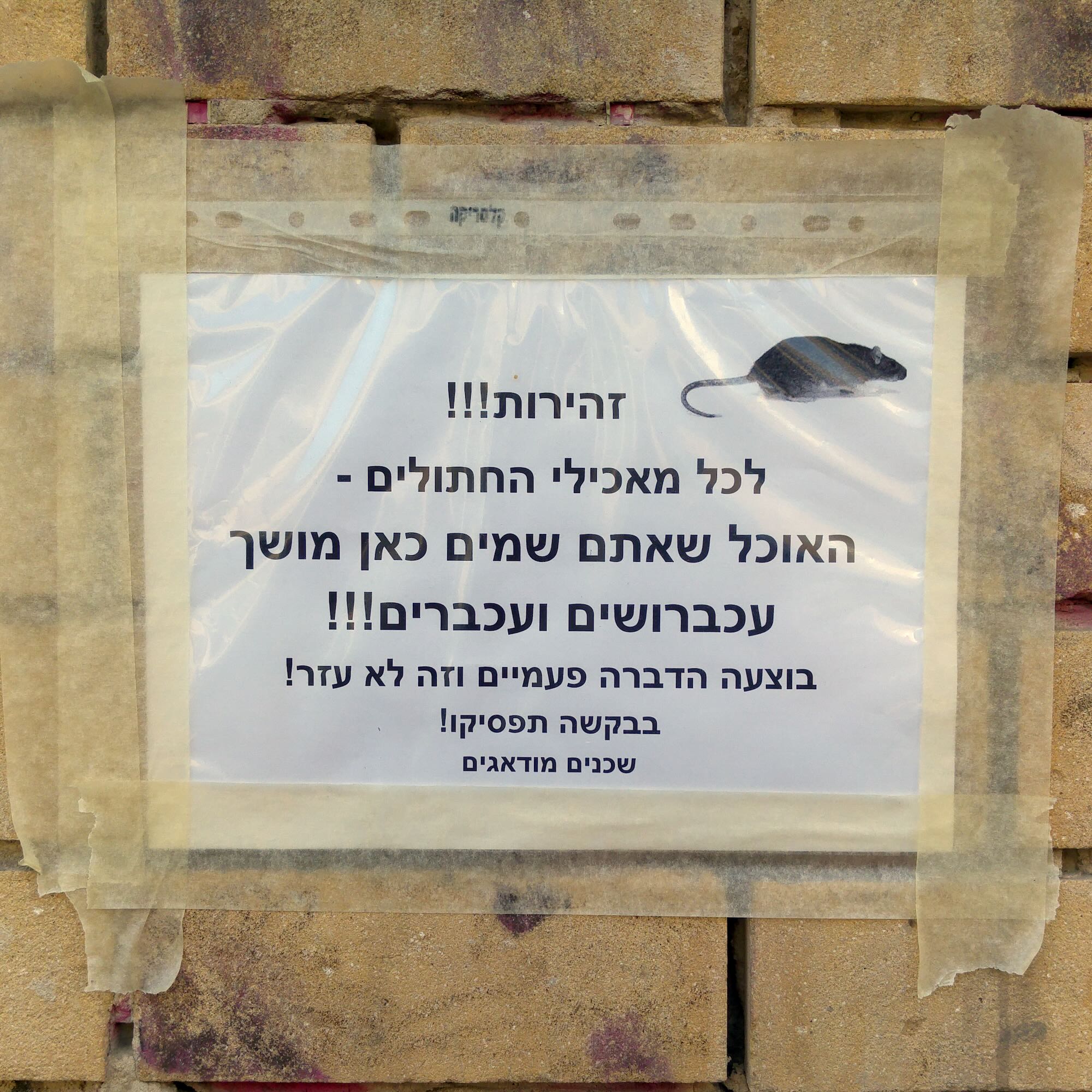
The Hebrew word רעל means poison. Its root provides us with interesting words related to the military and to bosses, some of whom make our work environments toxic. Hear the All-Hebrew Episode on Patreon New Words and Expressions: Ra'al – Poison – רעל Re'alim – Poisons – רעלים Ra'al neged achbarim – Mouse poison – רעל נגד עכברים Ra'al neged chuldot – Poison against rats – רעל נגד חולדות Nikuy re'

#435 I'm Getting Into the Game
The Hebrew word אירוע means an event, most often a happy event, like a wedding or bar/bat mitzvah. But its usage has changed lately. Guy explains. Hear the All-Hebrew Episode on Patreon New Words and Expressions: Eru'ah yeri – Shooting – אירוע ירי Eru'ah dkira – Stabbing – אירוע דקירה Eru'ah mitgalgel – Developing event – אירוע מתגלגל "Yesh li eru'ah" – I have an event (wedding, bar/bat mitzvah)

#434 U-Turns and Public Inquiries
The Hebrew word פרסס is what you'd use in a sentence to ask a driver to make a U-turn. But what does it mean in slang? Guy explains. Hear the All-Hebrew Episode on Patreon New Words and Expressions: Pniya, pniyot – Turn, turns – פנייה, פניות Pniya yamina/smola – Right/left turn – פנייה ימינה/שמאלה Pniyat parsa – U-turn – פניית פרסה "Ata yachol la'asot po parsa vaksha?" – Could you please make a

#433 Do Not Contact Me
The Hebrew word לפנות means to turn, like to turn right or left. But we use לפנות for other things as well, like when we need to contact our municipality or to tell someone to stop texting us. Hear the All-Hebrew Episode on Patreon New Words and Expressions: Lifnot – To turn – לפנות Pné – Turn (Imp., m.) – פנה Pni – Turn (Imp. f.) – פני Pné/pni yamina – Turn right – פנה/פני ימינה Pnu le-rofe ha-
#432 Surprise!
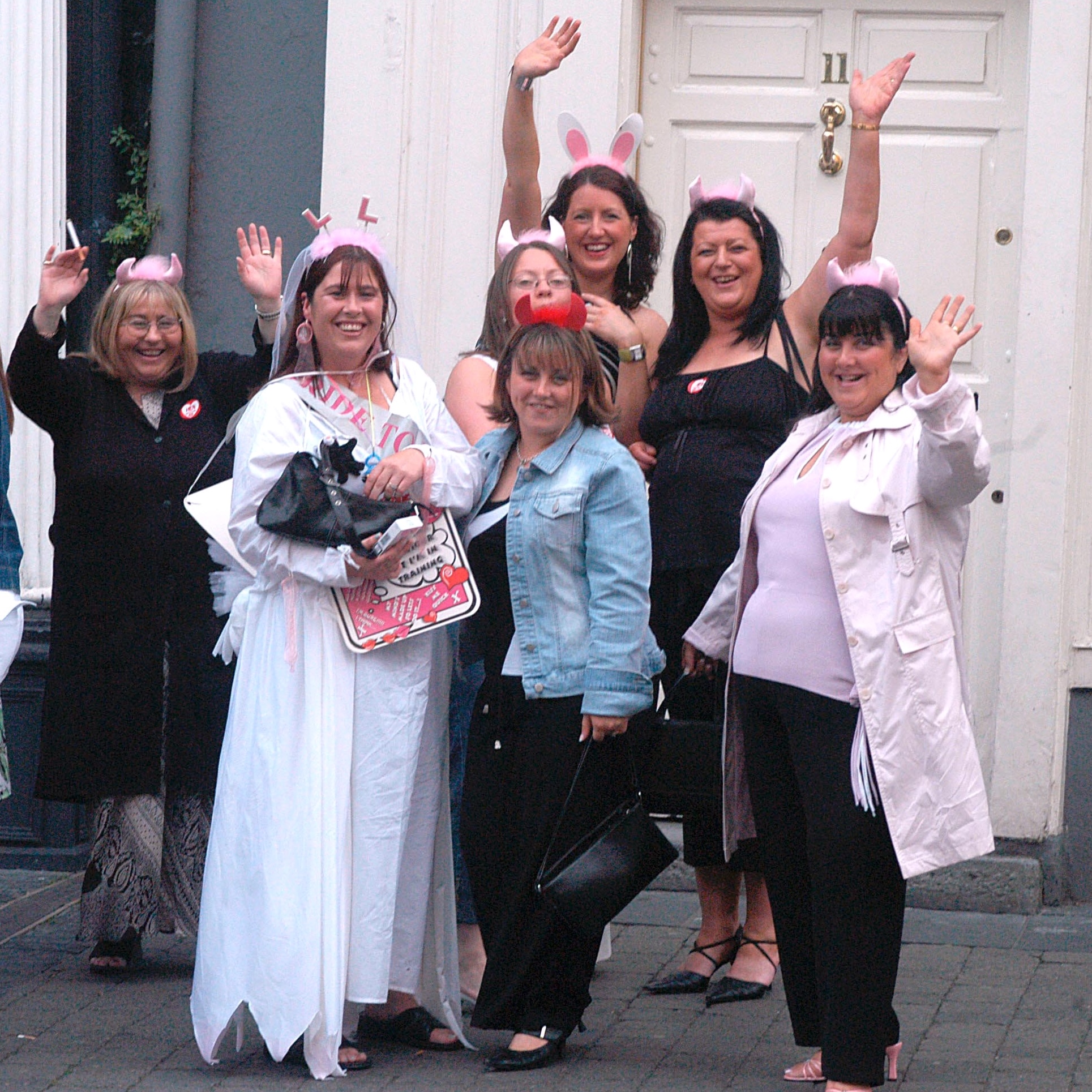
The Hebrew word הפתעה means "surprise." Don't be surprised if by the end of this episode you'll know several uses of הפתעה to impress your Israeli friends. Oh, and everybody knows what a ביצת הפתעה is, right? Hear the All-Hebrew Episode on Patreon New Words and Expressions: Hafta'ah – Surprise – הפתעה Mesibat hafta'ah – Surprise party – מסיבת הפתעה Yesh li haftaah bishvilcha/bishvilech – I have

#431 Antique Cars and Stamp Collections
From antique cars to very slow, local buses, Guy picks up where we left off in the last episode and explains additional בניינים from the root אספ. Hear the All-Hebrew Episode on Patreon New Words and Expressions: Asfanoot – Collecting (a collection) – אספנות Rechev asfanoot – Antique car – רכב אספנות Richvei asfanoot – Antique cars – רכבי אספנות Hit'asafnoo kan ha-erev – We gathered here tonight
#430 Doll Collector
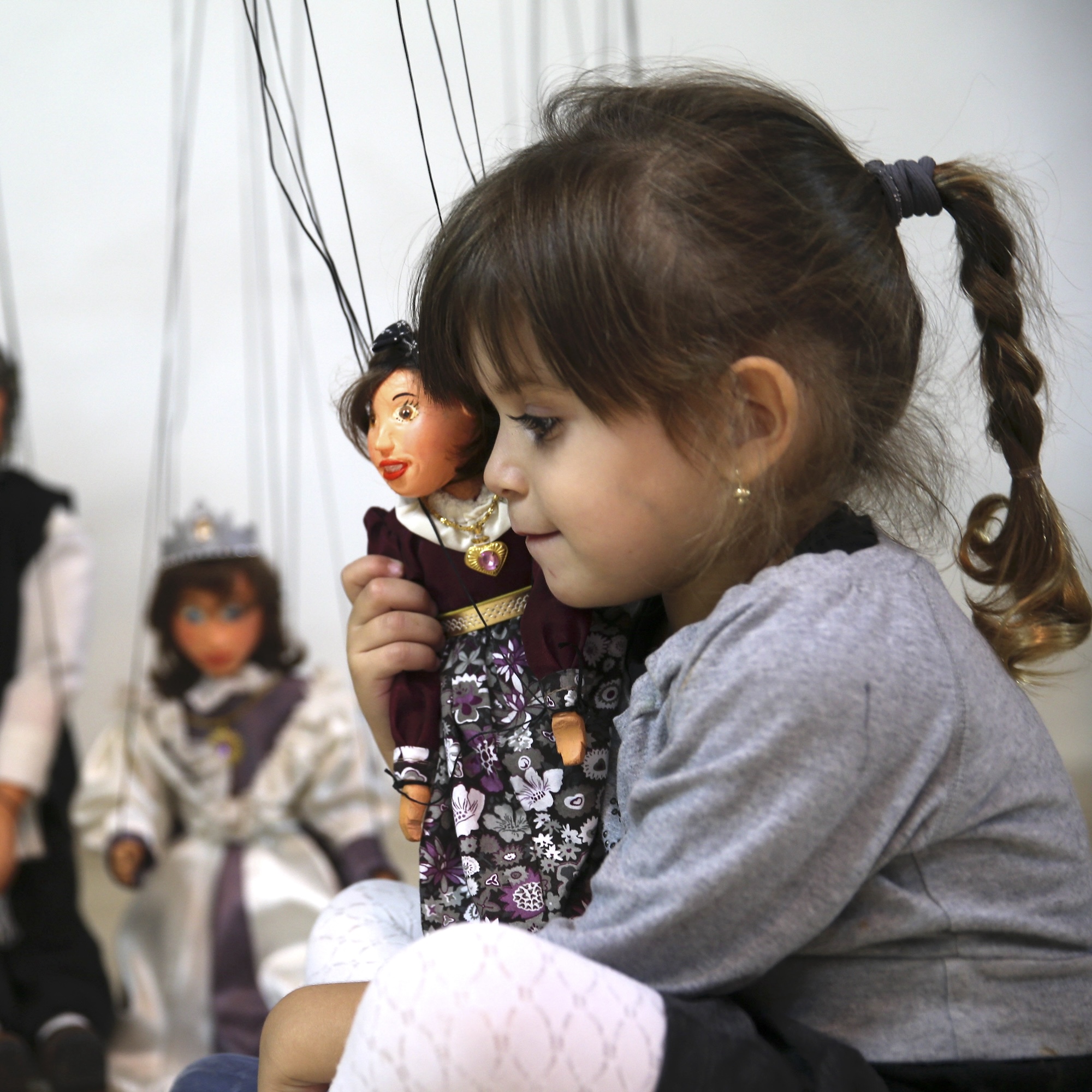
The Hebrew word לאסוף is to collect, to gather. We use this verb in supermarkets, airports, and when we talk about people with unique collections. Hear the All-Hebrew Episode on Patreon New Words and Expressions: Esof – Collect, gather (Imp.) – אֱסוף "Esof et ha-ma'asim" – Collect the deeds – אֱסוף את המעשים Asif – Harvest – אסיף Le'esof kesef – To collect money – לאסוף כסף Anachnu osfim kesef k
#429 Are You All Packed?
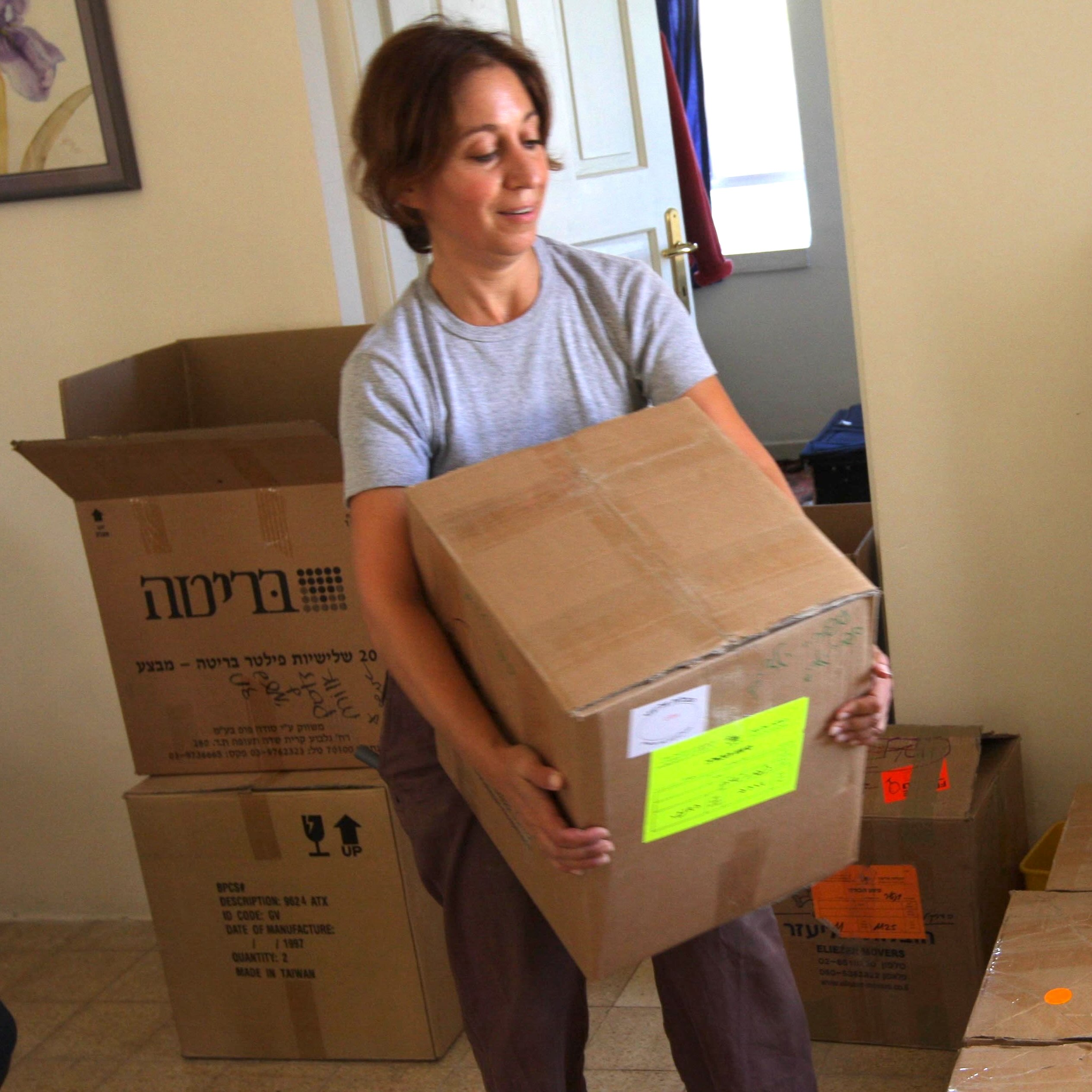
What's the right way to pack a suitcase and what should you say to airport security when asked about your packed bags? From the root ארז we get the Hebrew words for packaging, gift boxes and more. Guy explains. Hear the All-Hebrew Episode on Patreon New Words and Expressions: Hu araz – He packed – הוא ארז Arazta/arazt levad – Have you packed it yourself? – ארזת לבד "Ve-laanot shuv va-shuv et ota

#428 A Strange Series of Events
How do you watch your favorite television series? And what genre do you like most? Guy explains all things TV series in Hebrew, and what verbs go along with them. Hear the All-Hebrew Episode on Patreon New Words and Expressions: Sidra – Series – סדרה Sidrat televizya – A TV series – סדרת טלוויזיה Sidrat ha-televizya – The TV series – סדרת הטלוויזיה Sidra shel eru'im – Series of events – סדרת איר

#427 Take Some Initiative!
The Hebrew word יוזמה means initiative. We also use יוזמה when talking about new educational or social projects. Using the verb ליזום, we Israelis often give unsolicited advice to family, friends, and even passersby, telling them to take some initiative in their life! Hear the All-Hebrew Episode on Patreon New Words and Expressions: Yozma – Initiative – יוזמה Ein lo yozma, hu hasar yozma – He la

#426 The Olympics Are Here!
The Paris 2024 Olympics are here! What Hebrew words and phrases must we know in order to understand the broadcasts and fully enjoy the games? The hardest of them might just be טניס שולחן. Stam! Hear the All-Hebrew Episode on Patreon New Words and Expressions: Ha-mischakim ha-olimpyiim – The olympic games – המשחקים האולימפיים Ha-olimpiada – The Olympics – האולימפיאדה Atem ro'eem ta-olimpiada? – D

#425 Are You a Real Estate Agent?
The Hebrew word מתווך means a real estate agent. Some people really really dislike מתווכים. Let's learn why. Hear the All-Hebrew Episode on Patreon New Words and Expressions: Metavech (dirot) – Real estate agent – מתווך Metavech – Mediator, middleman – מתווך Ha-metavech ba-sichot – The mediator in the talks – המתווך בשיחות "Halo halo halo, ani lo metavech beynechem" – Hey, I am not mediating bet

#424 Can I Pet Your Dog?
Imagine this: You are walking your dog in the 'Viv and, out of nowhere, someone comes up to you, clearly wanting to speak about something important. Their lips are moving. They are saying something. What are they likely to say to a dog owner like you? Hear the All-Hebrew Episode on Patreon New Words and Expressions: Zachar o nekava? – Is it male or female? – זכר או נקבה Ben kama hu / bat kama hi

#423 Weighing Your Options
You're eyeing the cheddar cheese at a Tel Avivi deli. Now comes the big question: How do you ask the seller to give you 100 grams of it in Hebrew? Hear the All-Hebrew Episode on Patreon New Words and Expressions: Lishkol – To weigh – לשקול Ani shokel / shokelet 63 kilo – I weigh 63kg – אני שוקל / שוקלת 63 ק"ג Ani shokel/shokelet et ha'optsiot sheli – I am weighing my options – אני שוקל / שוקלת א
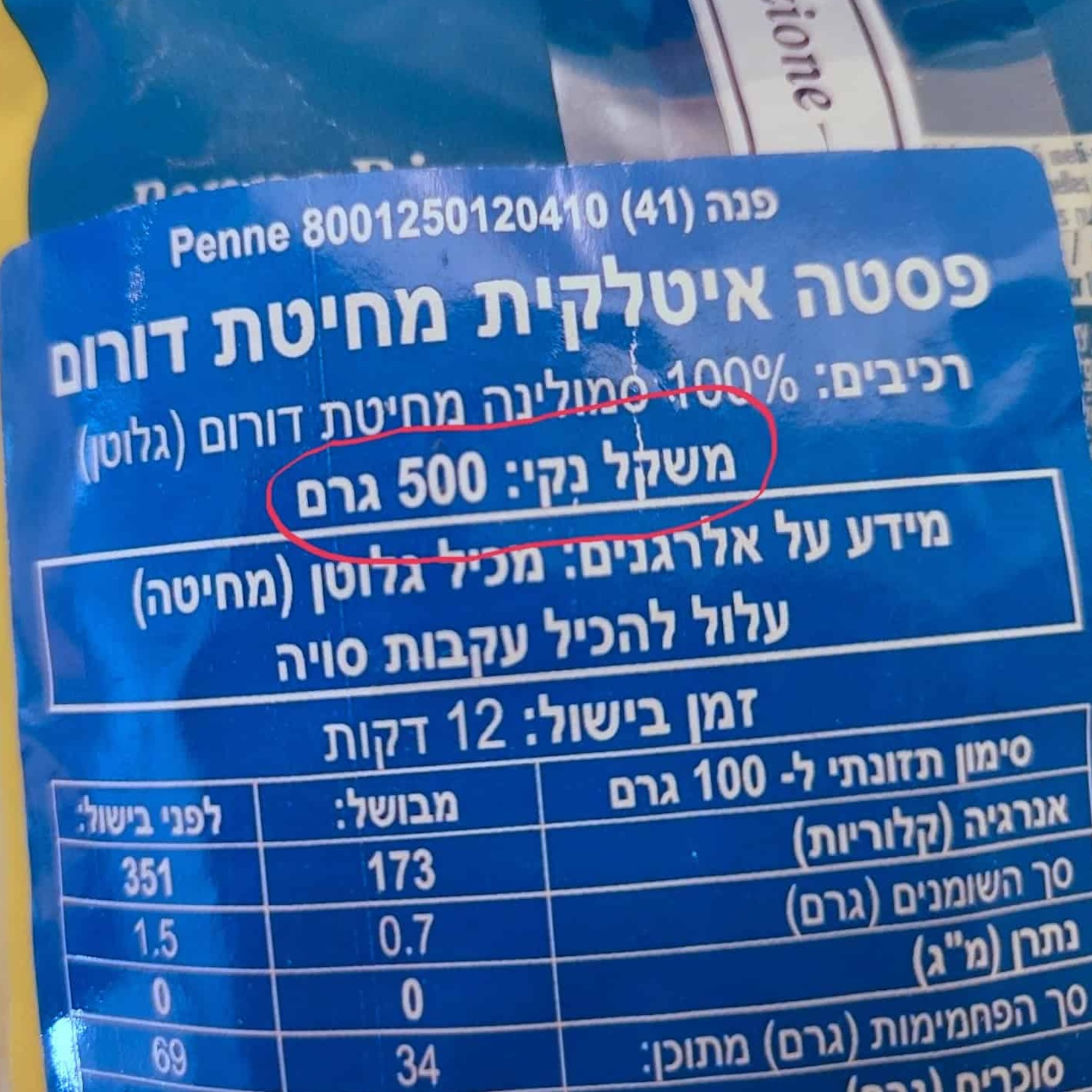
#422 Net Weight
The Hebrew word משקל means both weight and the device we use to measure weight, a scale. Whoa! That complicates things. How do we utilize this word in all its possible uses? Guy explains. Hear the All-Hebrew Episode on Patreon New Words and Expressions: Mishkal – Weight, scale – משקל Shomrei mishkal – Weight Watchers – שומרי משקל Odef mishkal / mishkal yeter – Excess weight, overweight – עודף מש

#421 Oh, With Pleasure!
How do we respond when someone thanks us in Hebrew? What are the equivalents of, 'you're welcome', 'don't mention it' and 'it's nothing'? Guy explains. Hear the All-Hebrew Episode on Patreon New Words and Expressions: Al lo davar – You're welcome – על לא דבר En be'ad ma, en al ma – You're welcome – אין בעד מה Bevakasha – Please / here you are / you're welcome – בבקשה Ein be'aya – No problem – אי

#420 Stink Bomb
The words stinky, smelly, and stench, exist in all languages. But in Hebrew these words can also be used as slurs. And while you absolutely should not use them in such manner, you do need to know their use. Hear the All-Hebrew Episode on Patreon New Words and Expressions: Masri'ach – Stinky, smelly – מסריח Sirachon – Stench – סירחון Eize sirachon – What a foul smell – איזה סירחון Ptsatsat sirach

#419 I Can Identify With That
From face and voice recognition, to identifying with a character from a book, for these and others linguistic uses we utilize the Hebrew root זהה. And how do we say, "Shazam, can you recognize this song?" Guy explains. Hear the All-Hebrew Episode on Patreon New Words and Expressions: Zihuy panim – Face recognition – זיהוי פנים Zihuy plili – Forensics – זיהוי פלילי Mazap, Ma'abada le-zihuy plili

#418 Is Someone Stealing Your Identity?
The Hebrew word זהות means identity. It's a word we Israelis use many times throughout the day, like any time we call customer service in Israel. Any guesses as to why? Hear the All-Hebrew Episode on Patreon New Words and Expressions: Zehut – Identity – זהות "Zehut achat la-boker, achat la-laila" – One identity for the morning, one for the night – זהות אחת לבוקר, אחת ללילה Teudat zehut – ID – תע

#417 Procrastinating in Hebrew
It happens to all of us: we have a task to accomplish and we promise ourselves to do it right after this one last thing. So how did an entire week pass by so quickly and yet we're staring at an even longer to-do list? Let's talk about procrastination in Hebrew. Hear the All-Hebrew Episode on Patreon New Words and Expressions: Dachyanoot – Procrastination – דחיינוּת Dachyan, dachyanit – Procrasti

#416 I'm Finally Settling In
The Hebrew words להתיישב and לשבת are both translated as 'to sit down', but they are not used in the same manner. And how are these words related to the West Bank? Guy explains. Hear the All-Hebrew Episode on Patreon New Words and Expressions: "Bo maher, hayeshiva kvar hitchila" – Come quick, the meeting has already started – בוא מהר, הישיבה כבר התחילה Lehityashev – To sit down – להתיישב Hu yash

#415 What Are You Sitting On?
The word לשבת means to sit, and there's a plethora of uses for this verb in Hebrew. We'll be talking about jails and cafes, dog trainers, Ottoman Jews, and restaurant hosts, all in the same episode! Hear the All-Hebrew Episode on Patreon New Words and Expressions: Yoshev – Sitting – יושב Yoshev al ha-gader – Sitting on the fence – יושב על הגדר Yoshev alai bool – It fits me perfectly – יושב עליי

#414 Are You in the Country?
The Hebrew word ארץ means land/country. But it changes when we add prepositions to it. It's also an important word if you are training your dog to lie on the floor. Guy explains. Hear the All-Hebrew Episode on Patreon New Words and Expressions: Eretz – Land, country – ארץ Eretz Israel – The land of israel – ארץ ישראל Be-khol ha-aretz – All over the country – בכל הארץ Kadur ha-aretz – The earth,

#413 Hello, Your Honor
So you've learned some Hebrew verbs and nouns, but now you're not sure how to properly address your 80 year old neighbor. Ma'am? גברתי? Mrs. Cohen? גברת כהן? Or is it fine to just use her first name? Hear the All-Hebrew Episode on Patreon New Words and Expressions: Adoni ha-shofet / Kvodo – Your honor (m.) – אדוני השופט / כבודו Gvirti ha-shofetet / kvoda – Your honor (f.) – גברתי השופטת / כבודה

#412 Lost in Translation
The Hebrew word לתרגם, to translate, is a handy verb, especially if you live in Israel and go to the cinema. Why? Because you want to make sure the Israeli film you're about to watch has been translated and has English subtitles. How do you ask whether something has been translated to your language? Hear the All-Hebrew Episode on Patreon New Words and Expressions: Letargem – To translate – לתרגם

#411 Overcoming Depression
The Israeli song לצאת מדיכאון is perhaps the song that best describes how an entire nation is feeling at this moment. It's an appropriate time to talk about דיכאון, depression, and its root. Hear the All-Hebrew Episode on Patreon New Words and Expressions: "Atem yod'im ma ha-derech hachi tova latset mi-dika'on?" – Do you know what is the best way to get out of depression? – אתם יודעים מה הדרך הכ

#410 Release Me
The Hebrew word לשחרר means to release, to free. It is used often when speaking about the hostage crisis in Gaza. How else do we use לשחרר, and how do we say it in the passive? Hear the All-Hebrew Episode on Patreon New Words and Expressions: Leshachrer – To release, to free, to liberate – לשחרר Israelim kor'im la-memshala laasot hakol kedei leshachrer et ha-hatufim me-hamas. – Israelis call on

#409 When Will They Be Released?
"When will the hostages be released?", מתי הם ישתחררו, is what everyone in Israel is asking themselves. This week we saw the release of some of the hostages taken on October 7th. Guy explains how we talk about it in Hebrew. Hear the All-Hebrew Episode on Patreon New Words and Expressions: "Et hishtachrarti" – When I got released – עת השתחררתי Hu hishtachrer – He got released, he was liberated –

#408 Keep On Smiling
Especially these days, it's important to keep on smiling and to try and stay optimistic. Guy explains how to smile in Hebrew. Hear the All-Hebrew Episode on Patreon New Words and Expressions: Hiuyooch male shinayim – A smile full of teeth – חיוך מלא שיניים Hiyoochim mezuyafim – Fake smiles – חיוכים מזוייפים Raper/it – Rapper – ראפר/ית "Toda, he'eleta hiyooch al panai" – You brought a smile to my

#407 Words of Encouragement
In time of war, we need to cheer one another up. How do we cheer on and provide words of encouragement to those around us in Hebrew? Guy explains. Hear the All-Hebrew Episode on Patreon New Words and Expressions: Idood – Encouragement – עידוד Shir idood – An encouragement song – שיר עידוד Milot idood – Words of encouragement – מילות עידוד Ha-keren le-idood yozmot hinoochiyot – The fund for promo
#406 Words of War
Israel is at war. There are a few words that we hear on the news all the time — words you should absolutely know. Hear the All-Hebrew Episode on Patreon New Words and Expressions: Retsu'at aza – The Gaza Strip – רצועת עזה Retsua la-kelev – Leash for a dog – רצועה לכלב Otef aza (Ha-otef) – The area bordering with the Gaza Strip – עוטף עזה, העוטף Yeshuvey otef aza – Villages near the Gaza Strip, i
#405 You're in Our Thoughts
What can you write to your family and friends in Israel during these difficult days of war? What's appropriate at this moment? Guy has some ideas. Hear the All-Hebrew Episode on Patreon New Words and Expressions: Letaksher im haverim ve-krovim – Communicate with family and friends – לתקשר עם חברים וקרובים Ve-eich lehabi'ah de'agah ve-tmicha – And how to express concern and support – ואיך להביע ד
#404 War
Israel is at war. Guy explains the word מלחמה and others from the same root, לחמ, that we hear on Israeli news coverage. Hear the All-Hebrew Episode on Patreon New Words and Expressions: Milchama – War – מלחמה Milchama ve-shalom – War and Peace – מלחמה ושלום Milchemet ha-olam ha-rishona, ha-shniya – The First/Second World War – מלחמת העולם הראשונה, השנייה WW2 – מלחה"ע ה-2 Mivtsa – Operation – מ
#403 I Need Some Self-Discipline
There are quite a few words in Hebrew, like משמעות (meaning) and משמעת (discipline), that are connected to the root שמע (to hear) even though it might not seem like it at first sight. Let's go over some of these words together. Hear the All-Hebrew Episode on Patreon New Words and Expressions: Mashmaoot – Meaning – משמעות Mashmaoot ha-shem – The meaning of the name – מה משמעות השם Ma mashmaaoot h
#402 Animal Sounds in Hebrew
If you didn't grow up as a child in Israel, chances are you don't know the sounds animals make in Hebrew, nor the verbs we use to describe them. Guy to the rescue. Hear the All-Hebrew Episode on Patreon New Words and Expressions: Miao – Meow – מיאו Leyalel – To wail, to complain – ליילל Dai leyalel! – Stop complaining – די ליילל Klavlav – Small dog (kelev katan) – כלבלב Hav-hav – Woof-woof – הב-
#401 Animals
We have many expressions with animals in Hebrew. Like, איזה חמור הייתי. Which ones can you use day-to-day and which ones can get you in trouble? Guy explains. Hear the All-Hebrew Episode on Patreon New Words and Expressions: Ein haya kazot – No such thing – אין חיה כזאת Eize hamor ani – I am so stupid – איזה חמור אני Eize hamor hayiti – How stupid I was – איזה חמור הייתי "Naavod kmo hamorim" – W
#400 Eat Your Vegetables
In Israel, the person who runs our neighborhood vegetable stall, the ירקן, is an important figure. Guy explains why. Hear the All-Hebrew Episode on Patreon New Words and Expressions: Yerakot – Vegetables – ירקות Yarkan – Vegetable seller – ירקן Yerek – Greens – יֶרֶק Haser li yerek – I am missing my greenery – חסר לי ירק Hanut yerakot, yarkaniya – Vegetable shop – חנות ירקות, ירקנייה Mishlo'ach
#399 Face to Face
The Hebrew word פנים means face, and on its face, an ordinary and simple word. But there's more to it in spoken Hebrew, including little things about its proper use. On this episode, Guy covers mafia talk, some politically incorrect uses of פנים, and a tourism campaign from the 1950's. Hear the All-Hebrew Episode on Patreon New Words and Expressions: Panim – Face – פנים Bi-fnim – Inside – בפנים
#398 Who's Putting the Kids to Sleep?
The Hebrew word להשכיב means, to put something or someone in a horizontal position. Read that sentence again and you'll understand why this episode is not suitable for children. Hear the All-Hebrew Episode on Patreon New Words and Expressions: Lehashkiv – To put to rest, to put someone to bed – להשכיב "Kama kesef hishkavta al ze" – How much money did you spend on this – כמה כסף השכבת על זה "Eich
#397 Only the Finest Goods
The Hebrew word סחורה means merchandise. When sellers in the fruit and vegetable markets shout סחורה אלף-אלף, what are they saying? And how do we say drug trafficking and drug dealers in the language of the Bible? Hear the All-Hebrew Episode on Patreon New Words and Expressions: Socher – Trader, merchant, dealer – סוחר Socher rahitim – Furniture merchant – סוחר רהיטים Diamond dealer – Socher yah
#396 Shopping in Hebrew
Where do you go shopping? How do you pay? And what do we say to a friend who just bought something new? Guy explains shopping in Israel. Hear the All-Hebrew Episode on Patreon New Words and Expressions: Kniyot, shopping – Shopping – קניות Metsiot – Findings, good deals – מציאות Mutag, mutagim – Brand name product – מותג Mutag ha-bayit – Home brand – מותג הבית Logo, logo'im – Logo, logos – לוגו,
#395 My Calendars Won't Synchronize!
The Hebrew word for calendar is יומן. Our calendars used to be made of paper and hung up on the wall. But today, most of us have gone digital. That means all our events have to be synchronized across our many devices. So what does היומן לא מסונכרן mean? Hear the All-Hebrew Episode on Patreon New Words and Expressions: Lua'ch shana – Calendar – לוח שנה Yoman – Calendar – יומן Lu'ach ha-shana ha-i
#394 I Haven't Seen You in Ages!
What should we say in Hebrew when we see someone we haven't seen for a very long time? How about someone who just got back from an extended stay abroad? Hear the All-Hebrew Episode on Patreon New Words and Expressions: Baruch shuvcha – Welcome back (m.) – ָברוך שובך Baruch shuvech – Welcome back (f.) – ברוך שובךְ Baruch shuvcha, chaver – Welcome back, my friend – ברוך שובך, חבר "Shalom rav shuve
#393 Aim High
To aim, to tune, to intend, to really mean something. The Hebrew equivalent of these verbs all come from the root כ.ו.נ, a root which has many interesting uses in our spoken language. Hear the All-Hebrew Episode on Patreon New Words and Expressions: Mi mechaven et ha-tnu'ah – Who is directing the traffic – מי מכוון את התנועה Lechaven ekdah le-ever mishehu – To aim a gun at someone – לכוון אקדח ל
#392 Which Direction Is the Wind Blowing?
The word כיוון means direction but it's got many different uses in day-to-day Hebrew. In this episode, Guy talks about wind direction, career trajectory, prayer orientation and so much more. Hear the All-Hebrew Episode on Patreon New Words and Expressions: Kivoon – Direction, bearing, orientation – כיוון "Kol kivoon she-bo halachnu" – Every direction in which we went – כל כיוון שבו הלכנו Kivoon
#391 Hide and Go Seek
What do we say to someone really tall who is sitting in front of us in the movie theater? And how do spies communicate with each other? Guy explains the Hebrew root ח.ב.א Hear the All-Hebrew Episode on Patreon New Words and Expressions: Machbo'im – Hide and seek – מחבואים Mesachkim be-machbo'im – We're playing hide and seek – משחקים במחבואים Machbo – Hideout, hiding place – מחבוא Mistor – Hiding
#390 See You at the Protests
In Hebrew, הפגנה is a demonstration, a protest. Israelis are very diligent protesters and demonstrators. Guy explains how to use the root פגנ to its fullest. Hear the All-Hebrew Episode on Patreon New Words and Expressions: Hafgana - Demonstration, protest - הפגנה Hafganat neged - A counter demonstration - הפגנת נגד Hafganat ha-smol - The demonstration of the left - הפגנת השמאל Hafganat ha-yamin
#389 Dear Inspector
This episode is about the Hebrew root פקח. We call parking enforcement officers פקחי חניה. What might you say to one in order not to get a parking ticket? And what does this root have to do with kosher certificates? Hear the All-Hebrew Episode on Patreon New Words and Expressions: Pikuach – Supervision, regulation – פיקוח Be-fikuach/be-pikuach – Under supervision – בפיקוח Gaz beiti – Domestic ga
#388 Danger Zone
There are so many סכנות, dangers, in everyday life. How do we say, "it's not worth the risk," in Hebrew? And what does the Japanese word for fish have anything to do with taking risks? Hear the All-Hebrew Episode on Patreon New Words and Expressions: Sakana la-demokratya – Danger to democracy – סכנה לדמוקרטיה Sakanat hitchashmelut – Danger of electrocution – סכנת התחשמלות Ha-demokratya be-sakana
#387 Have You Been Working Out?
What Hebrew words and phrases do you need to know when looking for a new gym? How do we say fitness trainer, and what time is the best time to go to a gym? Hear the All-Hebrew Episode on Patreon New Words and Expressions: Hadar kosher/Machon kosher – Fitness center, gym – חדר כושר, מכון כושר Ani holech la-machon – I am going to the gym – אני הולך למכון Minui (manuy) – Subscription, membership –
#386 Exposing the Truth
The Hebrew word לחשוף is commonly used by archaeologists, journalists, dermatologists and… strippers. What does it mean? Guy explains. Hear the All-Hebrew Episode on Patreon New Words and Expressions: Lahsof – To expose – לחשוף "Anahnu hosfim et ha-or shelanu la-shemesh, bederech klal bimchuvan" – We expose our skin to the sun, usually intentionally – אנחנו חושפים את העור שלנו לשמש, בדרך כלל במכ
#385 You Don't Want to Mess With Me
There are people you don't want to mess with, and there are things you shouldn't do because they're too much of a hassle. How do you say all this in Hebrew? Well, you'd use the עסק root, of course! Hear the All-Hebrew Episode on Patreon New Words and Expressions: Laasok be- – To deal with – לעסוק ב Hu osek be-ze harbe shanim – He's been dealing with this for many years – הוא עוסק בזה הרבה שנים A
#384 The Deal of a Lifetime
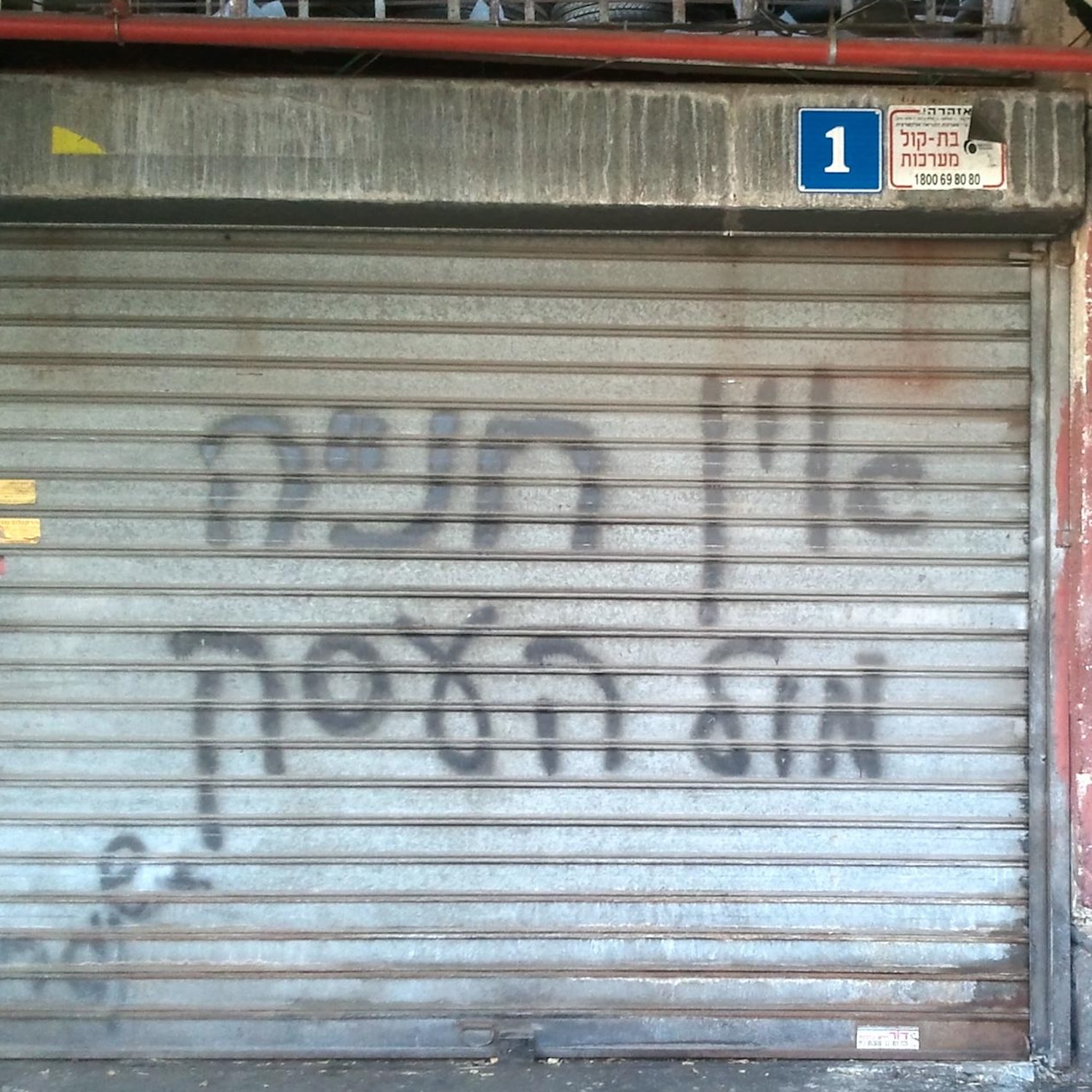
In Hebrew עסקים means business. Today, Guy talks about the root עסק and introduces other nouns we should know. Bonus: What do you do when you see an unfamiliar transaction in your credit card statement? Hear the All-Hebrew Episode on Patreon New Words and Expressions: Esek – Business, matter – עסק Asakim – Business – עסקים Beit esek – Shop, store – בית עסק Ze lo ha-esek shelcha – It's none of yo
#383 Best Served Warm
The Hebrew word להגיש is a verb with several different meanings. Food, university papers and TV shows — these are all things we can להגיש. Guy explains. Hear the All-Hebrew Episode on Patreon New Words and Expressions: Lehapil – To drop – להפיל, נפל Lehasi'ah – To drive someone somewhere – להסיע, נסע Lehagish bakasha – To submit a request, an application, or to apply for something – להגיש בקשה K
#382 My Sweetie Pie
In Hebrew, מתוק means sweet or sweetie. You might also hear מתוק used passive-aggressively by a person standing in a Tel Avivi line. Hear the All-Hebrew Episode on Patreon New Words and Expressions: "Matok, matok hu ta'am ha-hayim" – Sweet, sweet is the taste of life – מתוק, מתוק, הוא טעם החיים Matok li – It's too sweet – מתוק לי Matok/Metuka sheli – My darling – מתוק/מתוקה שלי Toda matok/metuka
#381 World Cup Hebrew Lingo
You're home, in front of the TV screen, watching one of the most important football games in the world cup. Suddenly, your team goes on the offensive. This could be the big moment. What Hebrew words and phrases do you shout in order to help bring them to victory? Hear the All-Hebrew Episode on Patreon New Words and Expressions: Yalla – Yalla – יאללה Nu – Come on – נו Yeshhhhhhhhh – Yeaaaaaah! –
#380 I'm Warning You!
The words להזהיר and אזהרה are used to warn someone of something or someone. We have many Hebrew expressions with אזהרה, warning, including the saying, רְאו הוזהרתם. Hear the All-Hebrew Episode on Patreon New Words and Expressions: Lehazhir – To warn – להזהיר "Ani mazhira otcha" – I am warning you – אני מזהירה אותך Lehazahir mishehu mi-mashehu – To warn someone of something – להזהיר מישהו ממשהו
#379 Be Careful!
How would you warn a friend who is about to be hit by an electric bike speeding on the sidewalk? We would shout, !זהירות The Hebrew word זהירות is an important word to know. Hear the All-Hebrew Episode on Patreon New Words and Expressions: Zehirut – Caution, care, watch out – זהירות "Adoni, hizaher, al tiga ba-iris" – Be careful, Sir, don't touch the iris – אדוני, היזהר, אל תיגע באיריס Tizaher!
#378 Show Me the Money
How could it be that we still didn't dedicate an entire episode to the Hebrew word כסף, money? Let's correct that wrong. Guy explains the slangy term for someone who is "loaded" with cash, and will also teach a special 'blessing' directed towards someone who stole from us. Hear the All-Hebrew Episode on Patreon New Words and Expressions: Kesef – Money – כסף Haavarat ksafim – Money transfer – העב
#377 Banking in Hebrew
Using banking apps in a foreign language is not the easiest thing. Guy is here to help. Hear the All-Hebrew Episode on Patreon New Words and Expressions: Aplikatsyat tashlumim – Payment application – אפליקציית תשלומים Lo naim ledaber al kesef? – Does it feel awkward to talk about money? – לא נעים לדבר על כסף Heshbon over va-shav – Current account – חשבון עובר ושב Kartisei Ashrai – Credit cards –
#376 Talk to Me at 7 A.M.
A Listener from Kansas City asked whether we use AM/PM in Hebrew. Here is the answer. Listen to the All-Hebrew Episode on Patreon New Words and Expressions: 4 pm = 16:00 6 pm = 18:00 8 pm = 20:00 Nifgashim be-shesh? – Are we meeting at six? – נפגשים בשש נפגשים ב6 נפגשים ב-6 נפגשים ב-18:00 Sheva ba-boker – 7 am – שבע בבוקר Az amarnu be-arba, ken? – So we said at four, right? – אז אמרנו בארבע, כן